

 What We DoIssuesGlobal HealthGlobal Health Resource CenterNo Time to Stall: Funding, Trust, and the Future of Immunization
Written by: Nico D’Auterive & Oumou Dao

New global immunization data from the World Health Organization (WHO) and UNICEF, as well as updates from Gavi, the Vaccine Alliance, offers a mixed view of the world’s momentum toward the goal of Immunization Agenda 2030 (IA2030) – a world where everyone, everywhere, and at every age fully benefits from the life-saving power of vaccines. While there has been significant improvement and innovation, it is also clear that progress remains increasingly fragile.
Every July, the WHO/UNICEF Estimates of National Immunization Coverage (WUENIC) are released for the previous year. This year’s edition, published on July 15, paints a picture of cautious progress: after an initial rebound following pandemic losses, global childhood immunization coverage has plateaued.
The percentage of children worldwide receiving three doses of the DTP vaccine (which protects against diphtheria, tetanus, and pertussis), often used as a marker for immunization coverage, shows only a slight improvement from the previous year at 85% – still below pre-pandemic numbers and the 90% goal set by IA2030. The number of “zero-dose” children – those who haven’t received any routine vaccines – also remained off-target at 14.3 million, at least 4 million more than envisioned in IA2030.
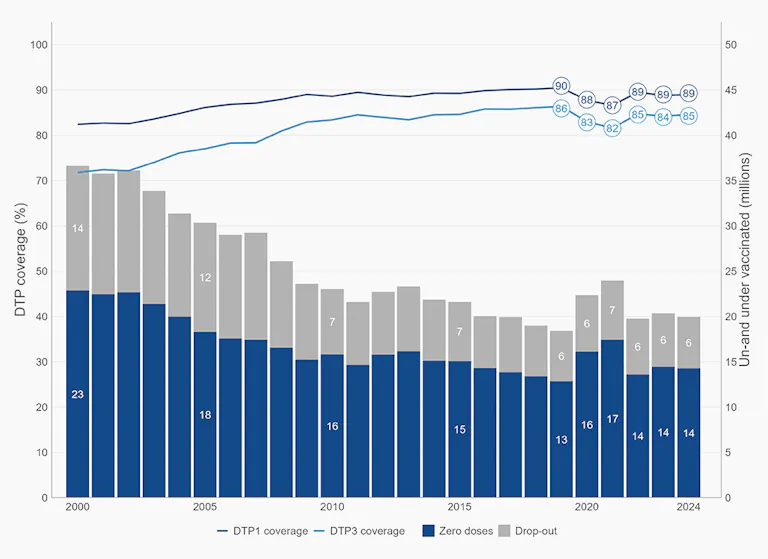
These coverage gaps are driven by a combination of factors, including limited access to services, conflict and instability, supply chain disruptions, and the spread of growing misinformation. Alarmingly, declines have emerged in countries with historically strong immunization coverage.
The consequences of immunization coverage gaps are evident. While global measles vaccine coverage improved modestly in 2024, it remains far below the 95% threshold needed to prevent outbreaks and more than 30 million children remain under-protected against this dangerous and highly contagious disease. The largest gaps remain in low-income countries, where only 66% of children received their first dose of measles vaccine. Persistent immunization coverage gaps, as well as compounding factors such as malnourishment, have contributed to an increase in outbreaks worldwide with more than 60 countries reporting large and disruptive outbreaks in 2024 – the highest number in decades.
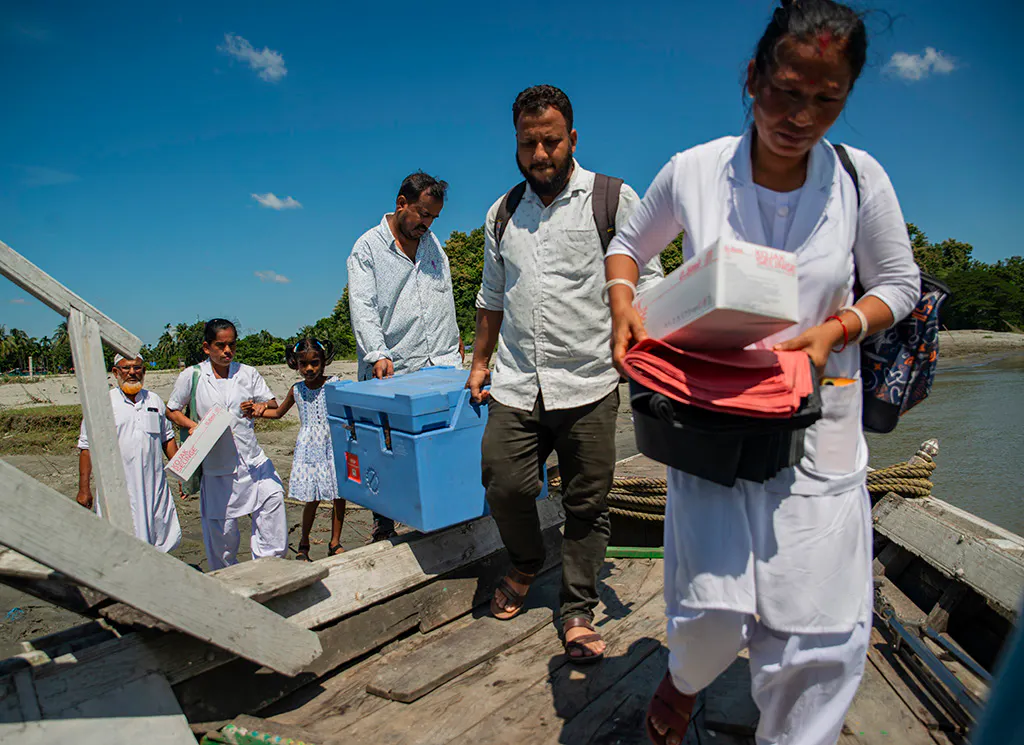
Against this backdrop, the world’s top health donors gathered in Brussels in June 2025 for Gavi’s high-level pledging summit. The summit marked the culmination of Gavi’s 6.0 replenishment cycle, which has sought to raise $11.9 billion to fund global immunization efforts between 2026 and 2030. By the close of the Summit, Gavi had raised $9 billion in pledges, with additional contributions expected in line with upcoming donor domestic budget cycles. Full funding would enable Gavi to reach 500 million more children by 2030, prevent up to 9 million deaths, and expand access to newer vaccines.
The summit also garnered support from new donors, including emerging economies and private sector partners, signaling a growing recognition that vaccine equity is a shared global responsibility. Further, countries receiving Gavi support are expected to invest a record $4 billion in their own immunization programs over the next five years – a critical step toward long-term sustainability
WUENIC data highlights these gains: Gavi-eligible countries vaccinated more children in 2024 than in any previous year on record. Many also made notable strides in continuing to introduce and scale up the use of newer vaccines against human papillomavirus (HPV), meningitis, pneumococcal disease, polio, and rotavirus.
Gavi 6.0 lays out a bold vision for the next five years that includes:
The Summit also reaffirmed support for the African Vaccine Manufacturing Accelerator. This financing instrument will make up to $1.2 billion available over a ten-year period to strengthen Africa’s manufacturing base. The goal is to enable African countries to produce and distribute vaccines more quickly and independently, especially during crises.
Despite these achievements, a funding gap remains. To address this shortfall, at a special meeting in late July, the Gavi Board endorsed a series of adjustments to the Alliance’s five-year strategy, which will result in a “slowdown” in some Gavi-supported immunization programs. The Gavi Board also agreed to sharpen its focus on children living in fragile and humanitarian settings.
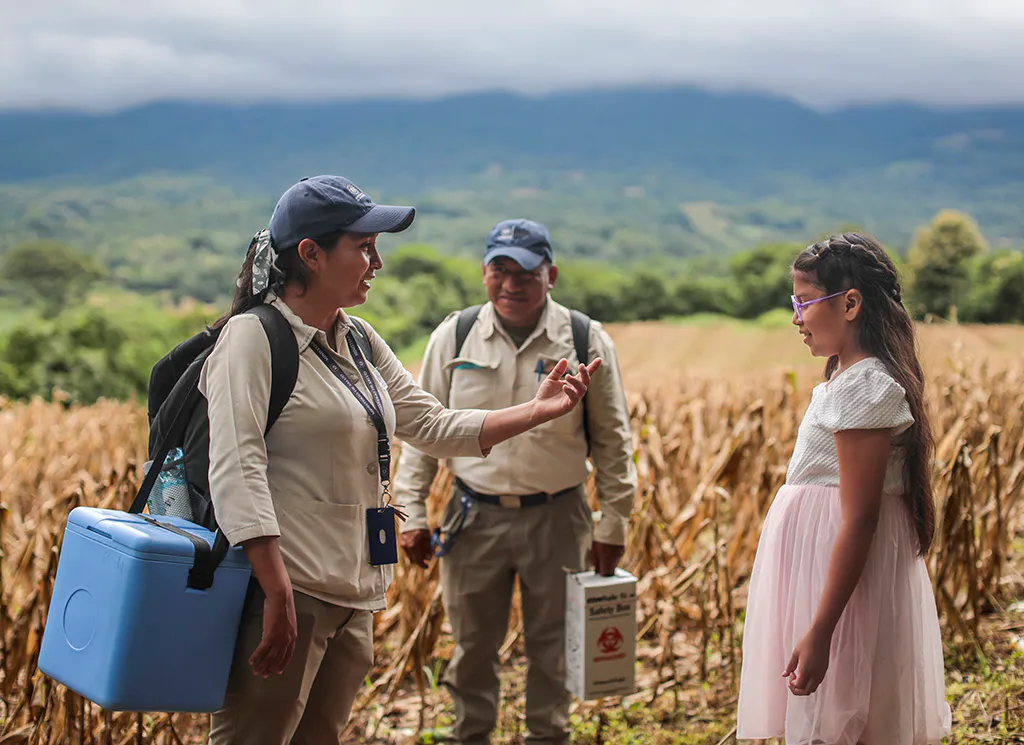
The COVID-19 pandemic disrupted immunization systems worldwide, contributing to significant backlogs in childhood immunization efforts. Despite an initial post-pandemic rebound, progress has stagnated in recent years with an array of challenges making it harder to get back on track: conflict continues to disrupt vaccine delivery in some countries; disinformation and mistrust around vaccines are on the rise, including in high-income countries; and climate-related emergencies are stretching already overburdened health systems. In parallel, re-emerging diseases and the ongoing risk of future pandemics add new layers of urgency.
Immunization is one of the most effective ways to prevent infectious diseases and widespread outbreaks, but only if vaccines reach everyone. This is a moment that offers a reality check and calls for both urgency and resolve. The latest WUENIC data underscores the urgent need for action. In the near term:
In the long run, the success of immunization efforts will depend on a broader vision – one that positions vaccines as a cornerstone of equitable healthcare access and a critical driver of public trust in health systems. Sustained domestic investment, combined with donor support, will be essential to reach the most fragile and underserved communities. Vaccines must be treated as a global public good, with funding, infrastructure, and delivery systems designed to close coverage gaps and strengthen health systems. The path forward will require bridging funding gaps, strengthening health systems, and ensuring timely delivery of services to those who need them most. For millions of children, the stakes are real—and urgent.
Last Updated: August 1, 2025
Nico D’Auterive is a Senior Global Health Communications & Advocacy Officer at the UN Foundation. Prior to joining UN Foundation, Nico oversaw global, national, and local communications campaigns in the US and abroad with various NGOs, including Doctor’s Without Borders (MSF) and FXB International. She has worked in Haiti, Ukraine, Nigeria, and Colombia. Nico holds a master’s in international development and global health from the Paris Institute of Political Studies (SciencesPo) and an undergraduate degree in Anthropology from Columbia University.
Oumou Dao is a consultant for the UN Foundation supporting our work on global health issues.
To get the latest Global Health news from our experts, subscribe to our monthly newsletter.