

 What We DoIssuesGlobal HealthGlobal Health Resource CenterGetting Ahead of the Next Global Disease Outbreak
Written by: Kate Seneshen, Intern, Global Health, United Nations Foundation
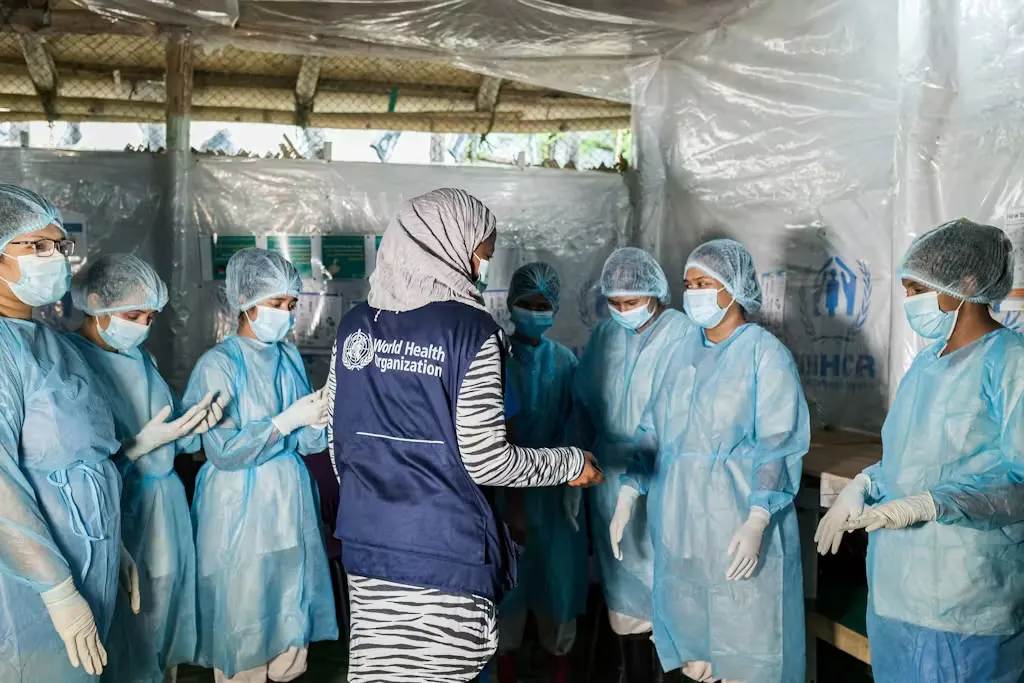
Five years after COVID-19 exposed how catastrophically underprepared the world was for a pandemic it knew would come, a growing group of scientists, policymakers, and international organizations is asking a new question: rather than waiting for the next pandemic to emerge and then preparing to fight it, can we identify and reduce that risk beforehand?
This question is the focus of the emerging field of Pandemic Risk Assessment (PRA), shifting how the world thinks about pandemic science.
For decades, global health investment has focused on Pandemic Preparedness and Response (PPR). Preparedness means building the capacity to act: stockpiling vaccines and protective equipment, training emergency workforces, and establishing legal frameworks for crisis response. Response involves activating those capacities when a threat materializes, such as through containment measures, treatment protocols, and vaccination campaigns. PPR asks two questions: If a pandemic hits, are we ready? And if it arrives, what do we do?
While essential, these questions leave critical ones unasked: Where is the next pandemic most likely to originate, and what’s driving that risk?
Even countries that appear well-prepared on paper can still be blindsided if risk signals go undetected. Rather than preparing to respond to a threat after it appears, PRA identifies the upstream conditions — deforestation, climate change, urbanization, intensive agriculture, wildlife trade — that make pandemics more likely and tracks how these risks evolve over time. The goal is to give policymakers the intelligence to act before a crisis emerges.
This PRA approach is timely, as zoonotic diseases are emerging more frequently, with some estimates suggesting a 50% chance of another COVID-19-scale pandemic within the next 25 years.
The Pandemic Risk Assessment Initiative, led by the United Nations Foundation in collaboration with the National Academy of Medicine, explores the feasibility and design of a global scientific agenda for PRA. In 2024, the Initiative convened workshops and international meetings in Brazil and Washington to begin shaping this plan.
In May 2026, PRA was the subject of a side discussion at the World Health Assembly in Geneva, where global health experts from across governments, research institutions, and international organizations convened to consider what PRA could look like.
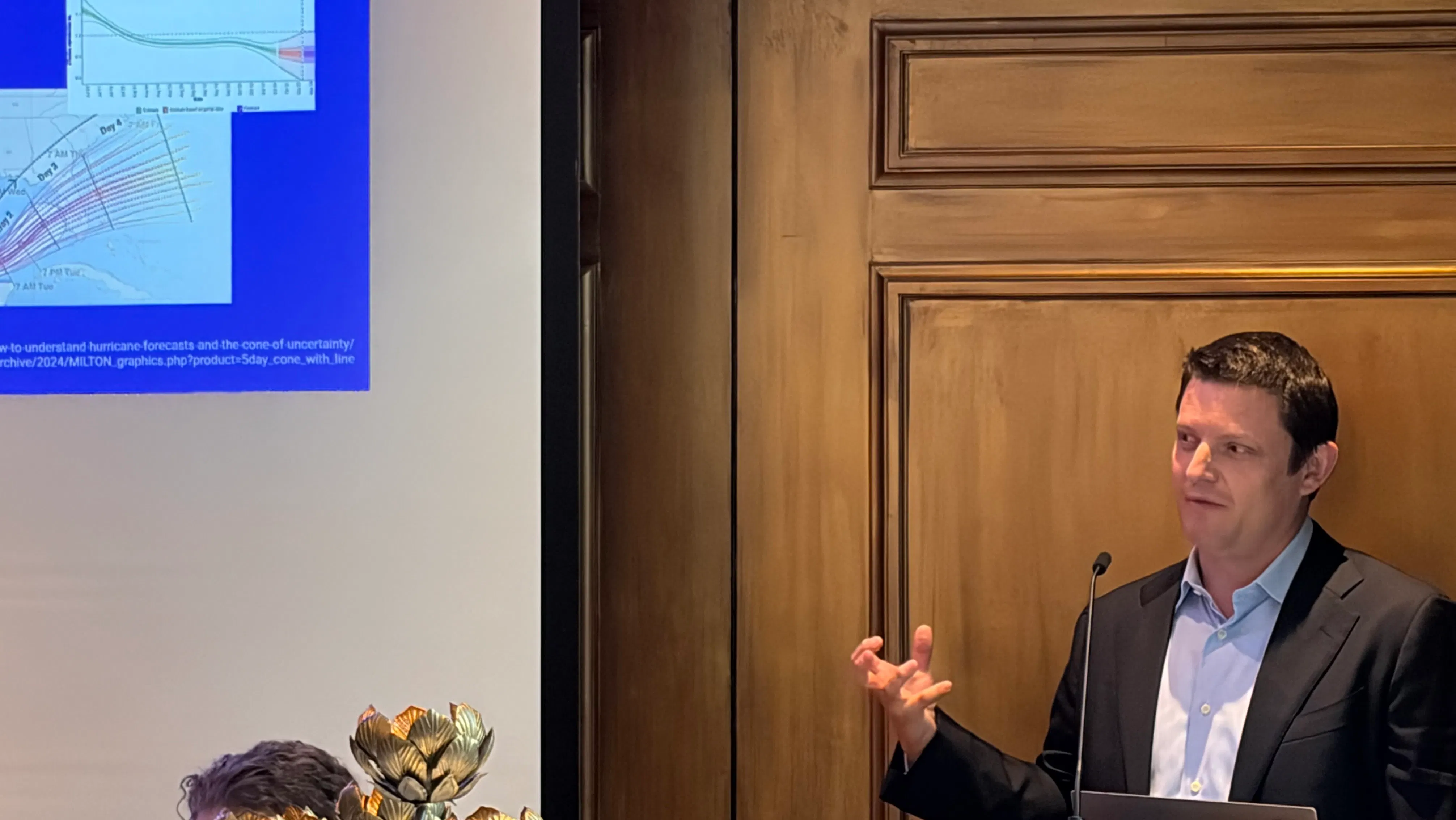
Ben Oppenheim, Fellow at UC Berkeley’s Risk and Security Lab and technical co-lead for the initiative, presented four ways in which PRA can support pandemic policymaking.
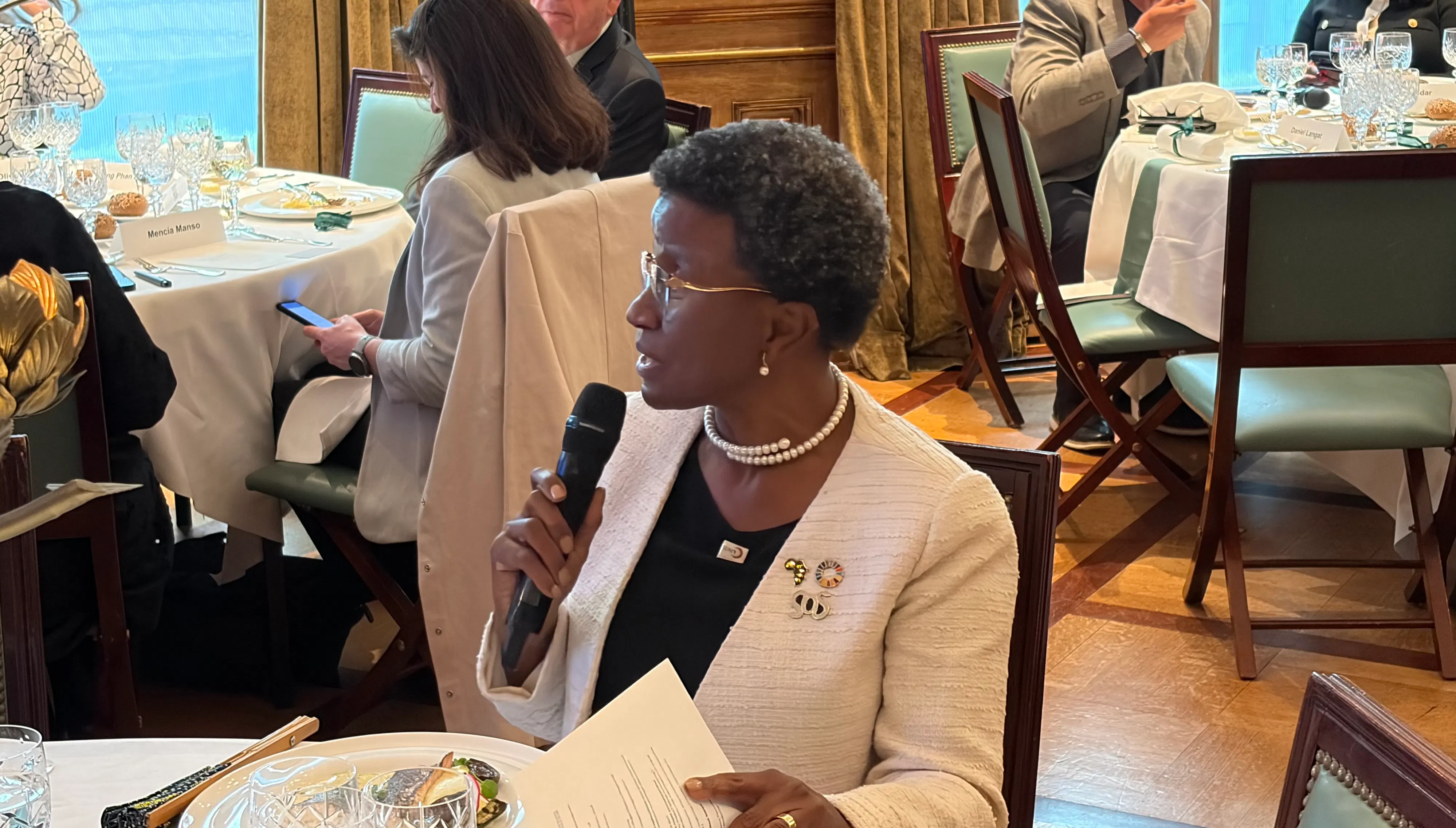
During the World Health Assembly discussion, several themes emerged that will shape how the field develops.
PRA must cross sectors. Pandemic risk not only affects the health sector but spans multiple disciplines with risk drivers like the wildlife trade, land use change, and intensive agriculture overlapping food, environment, and agriculture policy. Participants emphasized the need to include cross-sectoral policymakers, rather than centralizing those focused on health policy. They also noted that PRA could help build a shared understanding of risk across different parts of government, supporting coordination between health, finance, agriculture, environment, and other sectors when making investment and policy decisions. As one participant noted, countries may not frame their interest as “pandemic risk” at all but rather want to know how to protect their animals, environment, or food systems. PRA needs to meet them where they are.
PRA must be equity- and geography-focused. Regional differences in ecological, behavioral, economic, and environmental conditions lead to varying levels of risk across geographies. Smaller and more vulnerable countries, including small island developing states, face disproportionate disaster risk and need to be centered in PRA. Several participants raised the question of whether PRA should begin at the regional level rather than attempting a single global framework, using pilot communities as models to replicate useful, policy-relevant risk assessment.
PRA must propose resilience pathways. Participants noted that accurate risk information only changes behavior if people trust its source and act on it. PRA must not only describe risk but also provide pathways to resilience, offering communities actionable guidance. Several participants emphasized that generating better risk information alone will not be enough; PRA will also need to help decision-makers navigate tradeoffs and identify practical actions that reduce risk over time.
As the field takes shape, a robust PRA infrastructure might include integrated surveillance systems combining genomic, environmental, veterinary, and human health data; regional risk observatories providing early warnings tailored to local ecological and social conditions; and multilateral data-sharing agreements so that risk intelligence is not siloed by national interest.
During the remainder of 2026, the Initiative will continue to build the foundation for PRA.
The initiative will generate a tested prototype for a comprehensive PRA assessment. This proof-of-concept effort will demonstrate what a PRA assessment could look like in practice and help inform future approaches to understanding and managing pandemic risk. The initiative will also synthesize emerging findings from the initiative’s scientific and policy discussions highlighting priority questions, decision-relevant insights, and considerations for advancing a PRA agenda.
COVID-19 was not the first pandemic of the 21st century, and it will not be the last. HIV, SARS, MERS, Ebola, Zika each surprised the world, with costs borne disproportionately by the most vulnerable. This pattern of surprise is a signal that we have yet to build the tools and institutions to assess pandemic risk. Recent discussions in Geneva underscored growing interest in PRA as a way to help policymakers identify, quantify, and reduce the drivers of future pandemic threats before they escalate into global crises. While important scientific and policy questions remain, participants broadly agreed that a more systematic understanding of pandemic risk will be essential to strengthening prevention, preparedness, and response in the years ahead.
Last updated: June 26, 2026
Kate Seneshen is a Global Health Intern at the United Nations Foundation, where she supports the Pandemic Risk Assessment Initiative. She supports strategic communications and contributes to the planning of global conferences that convene pandemic experts and policymakers from around the world. Prior to the United Nations Foundation, Kate conducted community-based research in rural North Carolina, partnering with local clinics and communities to improve chronic disease management and cardiovascular health. She interned at the Ministry of Health of Mendoza, Argentina, drafting a proposal to strengthen provider adherence to hypertension guidelines and engaging in Dengue prevention fieldwork. Most recently, Kate conducted research on the social determinants of adolescent pregnancy and human papillomavirus prevention in Cusco, Peru. Kate earned her bachelor’s degree in public policy and global health from Duke University and is a Teaching Associate at Weill Cornell Medicine’s Global Health Department in New York City.
To get the latest Global Health news from our experts, subscribe to our newsletter.